.jpg)
About Class I Deep Injection Wells
The Facts About Injection Wells

Class I Injection Wells are Part of A Federal Program
Injection wells are used to safely dispose of non-hazardous wastewater deep underground into confined rock formations that are isolated from drinking water sources. These wells must comply with strict federal and state regulations, from permitting and construction through operation and ongoing monitoring.
Environmentally Proven
Injection wells are an environmentally preferred, proven method for protecting groundwater. These wells are regulated under Florida's Aquifer Protection Program and are designed to prevent impacts to underground sources of drinking water.
Groundwater Protection Is Our Top Priority
According to FDEP, no Class I injection wells in Florida have ever impacted a public water supply, including the seven active Class I wells disposing of non-hazardous leachate. Protecting groundwater remains the primary objective of the program.
We Never Handle Hazardous Waste
Florida law prohibited new hazardous waste injection wells beginning in 1983. All new Class I wells statewide, including HOF's, are permitted to accept only non-hazardous, pre-treated leachate.
Decades of Proven Performance
Florida's first leachate injection well began operating in 1988. Florida's first leachate injection well began operating in 1988. For more than three decades, Class I injection wells have provided a safe, regulated, and reliable method for managing non-hazardous wastewater.
Continuous Monitoring Protects Communities
HOF operates a dedicated subsurface monitoring well, as required by FDEP, to monitor injection fluid movement at least 1,000 feet below the surface. Florida's requirements for additional monitoring exceed federal guidelines and provide an added layer of protection.
The use of Class I injection wells is a proven, scientifically backed method of pre-treated wastewater disposal, with approximately 236 active Class I Wells throughout the state. For decades, these wells have been used as an environmentally-preferable method for protecting the Aquifer and groundwater.
According to FDEP, no Class I Injection Wells in Florida have ever impacted the public water supply. Any reported non-compliance issues were not associated with impacts to the public water supply, but a demonstration of the effectiveness of the monitoring systems in place.
Class I injection wells are part of a federal program used to safely dispose of pre-treated wastewater deep underground, far below drinking water sources. These wells inject pre-treated wastewater below confined rock, ensuring isolation from drinking water.
Florida is home to roughly 30% of all Class I injection wells (US EPA). These highly-regulated structures are scientifically proven to safely manage pre-treated wastewater, and include ongoing testing and continuous monitoring.
.webp)
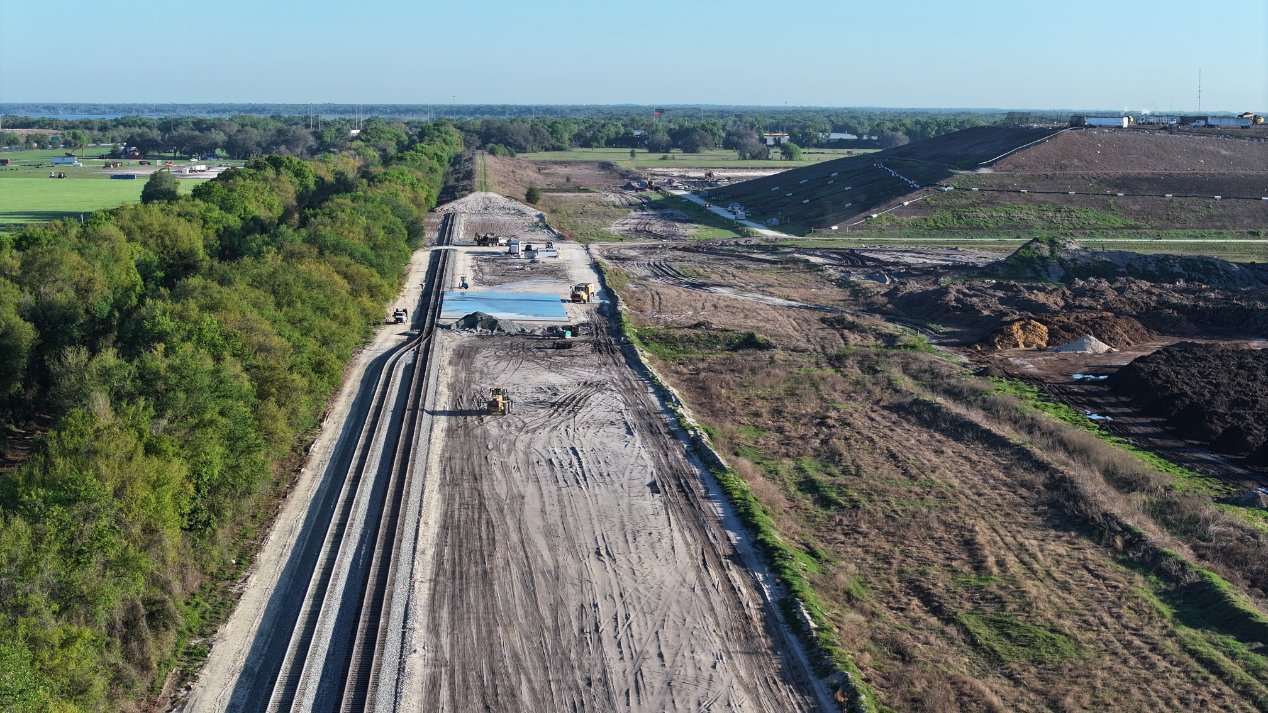
The use of Class I injection wells is a proven, scientifically backed method of non-hazardous wastewater disposal, with approximately 236 active Class I Wells throughout the state. For decades, these wells have been used as an environmentally-preferable method for protecting the Aquifer and groundwater.
According to FDEP, no Class I Injection Wells in Florida have ever impacted the public water supply. Any reported non-compliance issues were not associated with impacts to the public water supply, but a demonstration of the effectiveness of the monitoring systems in place.
Florida is a national leader in Class I well application. Due to strict oversight and continuous testing, the state has consistently proven its ability to operate this technological innovation for the benefit of Floridians.
- Approximately 236 active wells statewide
- Commonly used for municipal and industrial non-hazardous wastewater
- Used as an environmentally-preferable alternative to discharges to natural systems
Continuous monitoring and frequent testing requirements maintain the highest standards possible throughout operation. Class I Injection Wells are reinforced with the strongest materials available, and are required to undergo frequent mechanical integrity testing before, during, and after construction.
Wells are continuously monitored before, during, and after construction:
- Before a well is permitted, operators must conduct rigorous geologic, hydrologic, and engineering analysis.
- During construction, FDEP requires weekly construction reports
- When the well is operational, FDEP requires monthly reporting of physical properties, flow rates, pre-treated wastewater levels and chemical parameters.
- Wells must undergo routine mechanical integrity testing every five years at minimum to ensure all casing, tubing, and seals operate effectively.
- Monitoring systems perpetually run to ensure pre-treated wastewater remains in the injection zone, detecting any movement before it ever comes into contact with USDWs.
- In accordance with EPA and DEP regulations, any interchange of water between aquifers is prohibited.
FDEP’s application of UIC regulations also requires the following:
- Redundant well casings (a well inside of another well)
- Continuous monitoring of pressure between the well casings
- Ensuring containment in the injection zone
- Continuous characteristic testing of injected fluid